


Plant Medicine Retreat California Guide
Not every plant medicine retreat California offers is meant for the same kind of seeker. Some spaces are built for curiosity, escape, or trend-driven self-discovery. Others are held as sacred containers for people who know they are standing at a threshold - grieving, awakening, unraveling old pain, or hearing a call they can no longer ignore. If you are seeking true ceremonial work, the difference matters.
California has become a meeting place for many healing modalities, from clinical trauma work to ancestral spiritual practice. That range can be beautiful, but it also means discernment is essential. A retreat may look polished online and still lack lineage, preparation, or the kind of integration support that helps real transformation take root. Plant medicine is not entertainment. It is relationship, responsibility, and a form of prayer.
What makes a plant medicine retreat California seekers can trust
The most meaningful retreats are not defined by aesthetics or promises of breakthrough. They are defined by the quality of the container. A trustworthy retreat is led with humility, clarity, and reverence for the medicines, the traditions surrounding them, and the people entering ceremony.
That begins with preparation. Deep work should never start when you arrive on site. A well-held retreat includes screening, clear communication, and honest conversations about mental health history, medications, trauma background, and intentions. This protects participants and honors the reality that these medicines can amplify what is unresolved as much as they can illuminate what is possible.
It also includes experienced facilitation. In serious ceremonial spaces, leadership is not based on charisma alone. It is rooted in training, spiritual discipline, and the capacity to hold intensity without control or ego. Seekers deserve guides who understand not only the medicines themselves, but the emotional, somatic, and spiritual processes that can arise before, during, and after ceremony.
Then there is integration, which is where many retreats fall short. Ceremony may open the door, but your healing is lived in the days and months that follow. Without support, profound insight can fade into confusion. A strong retreat includes integration guidance, mentorship, and practical support for bringing what was revealed into relationships, choices, habits, and prayer.
The difference between a retreat and a sacred path
Many people begin by searching for an experience. What they are often truly seeking is a path. That distinction changes everything.
An experience can be intense, beautiful, and even life-changing. But if it exists in isolation, it may leave you with more vision than structure. A sacred path offers a wider container. It recognizes that healing is cyclical, that awakening asks for embodiment, and that medicine work should be woven into a disciplined life of self-inquiry, spiritual practice, and service.
For this reason, the most grounded retreat spaces do not treat ceremony as a one-time event. They surround it with education, preparation, trauma-conscious support, and opportunities for continued guidance. This is especially important for those navigating major life transitions, grief, addiction patterns, spiritual crisis, or long-held emotional wounds. Sacred work deserves continuity.
Why lineage and cosmology matter
When people first look for a plant medicine retreat in California, they often focus on the medicine itself. Ayahuasca, San Pedro, Bufo, Kambo, cacao, hape, sananga, or peyote may each carry a different call. Yet the medicine alone is not the full story. The prayer, lineage, and cosmology around the work shape the field in which healing happens.
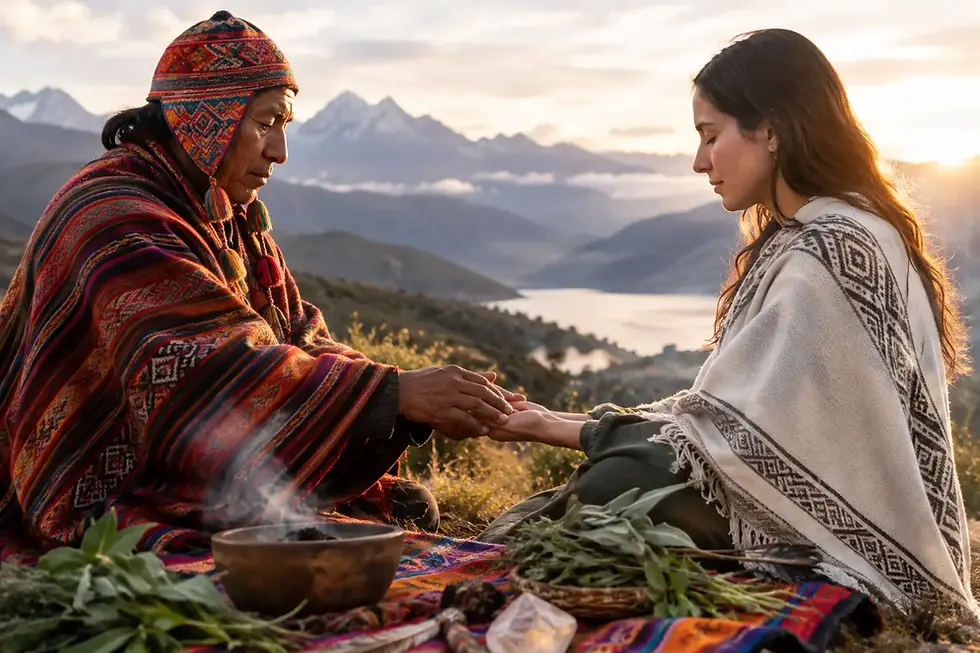
Lineage is not a marketing term. It speaks to how teachings have been received, practiced, and transmitted with integrity. In Andean spiritual traditions, healing is not approached as a transaction or quick intervention. It is understood as a restoration of right relationship - with spirit, with the earth, with ancestry, with community, and with the deeper truth of one’s own soul.
This matters because powerful states of consciousness can be interpreted in many ways. Without a grounded spiritual framework, seekers may leave ceremony inspired but unanchored. A lineage-based retreat offers orientation. It helps participants understand that visions, purging, silence, emotion, and energetic shifts are not random events. They are part of a larger conversation between the individual and the sacred.
Who benefits most from this work
Plant medicine retreats are not for everyone at every moment. Sometimes the right next step is therapy, medical care, or a slower season of stabilization before entering ceremony. Discernment is part of the medicine too.
That said, this work can be profoundly supportive for adults who feel called to face what they have carried for years. Those moving through trauma, heartbreak, grief, identity shifts, spiritual disconnection, or repeating relational patterns often come to ceremony because something in the ordinary structures of life is no longer enough. They do not want distraction. They want truth.
The people best served by a serious retreat are usually those willing to be honest, teachable, and responsible for their own process. They are not seeking a spiritual performance. They are willing to prepare their body, clarify their intention, and continue the work afterward. They understand that healing is grace, but also practice.
Questions to ask before choosing a retreat
Before committing to any retreat, slow down and listen beneath the surface. Ask how participants are screened and whether there is counseling or trauma-informed support available. Ask who leads the ceremonies, what traditions inform the work, and how the team handles psychological intensity or physical complications.
It is also wise to ask what happens after the retreat ends. Are there integration circles, one-on-one support, or continued mentorship? Is there education that helps participants understand the medicines and their effects? Are expectations clear, including diet, preparation, contraindications, and the emotional demands of the process?
Pricing matters too, but it should be understood in context. A lower-cost retreat may appear accessible while omitting the very structures that protect and support participants. A higher investment may reflect a fuller container that includes preparation calls, skilled facilitators, safe accommodations, integration support, and a spiritually mature framework. Cost alone does not determine integrity, but serious care does have value.
The California context
California draws seekers from across the country because it sits at the crossroads of wellness culture, spiritual openness, and access to experienced practitioners. For many, it feels more approachable than traveling internationally, especially for a first retreat. There can be practical comfort in staying within the US while entering deep ceremonial work.
At the same time, the California landscape includes everything from deeply devotional spaces to loosely held gatherings that borrow sacred language without sacred discipline. That range means seekers must look beyond branding. A beautiful setting in the mountains or desert can support the work, but environment alone does not create safety or spiritual depth.
The strongest retreats in California tend to balance accessibility with seriousness. They welcome modern seekers while refusing to dilute the sanctity of the traditions. They understand that professionalism and mysticism are not opposites. Clear schedules, informed consent, preparation guidance, and structured support can exist in harmony with prayer, ceremony, and spiritual devotion.
What real integration looks like
After ceremony, many people expect clarity to arrive all at once. Sometimes it does. More often, integration unfolds in layers. Old grief may surface in ordinary moments. Relationship dynamics may become impossible to ignore. A new sense of purpose may ask for difficult changes. This is why post-retreat support is not optional in meaningful work.
Real integration includes nervous system care, spiritual reflection, and practical changes in daily life. It may involve coaching, journaling, prayer, therapy, embodiment practices, or community support. It often means returning to simple disciplines - sleep, nourishment, boundaries, silence, truth-telling. The revelation is sacred, but so is the follow-through.
Organizations such as Pachamama Sacred Paths speak to this deeper need by framing retreat work as part of an ongoing devotional journey rather than a single transformational event. For many seekers, that continuity is what allows the medicine to become wisdom instead of memory.
If you are searching for a plant medicine retreat California can genuinely offer your soul, trust the spaces that ask more of you, not less. The right path will not flatter your ego or promise instant rebirth. It will invite your sincerity, your courage, and your willingness to walk with the sacred long after the ceremony fire has gone quiet.


Comments