


Psychedelic Wellness Is a Practice, Not a Weekend
A powerful ceremony can bring a person to the threshold of grief they have carried for decades, restore a felt sense of belonging, or reveal the distance between the life they are living and the life their soul is asking them to create. But the morning after is where the deeper question begins: What will you do with what you have been shown?
Psychedelic wellness is not measured by the intensity of a vision, the number of ceremonies attended, or the beauty of a retreat setting. It is measured in the patient, sometimes humbling work of becoming more honest, more embodied, more accountable, and more available to life. For sincere seekers, plant medicine is not an escape from the human journey. It can be a sacred invitation to enter it more fully.
Psychedelic Wellness Requires a Sacred Container
The modern conversation around psychedelics often centers on outcomes: relief, insight, transformation, connection. Those possibilities may be meaningful, but they can obscure the conditions that allow deep work to unfold with care. A ceremony is not simply an experience to consume. It is a container held through preparation, experienced guidance, clear agreements, prayerful intention, and integration afterward.
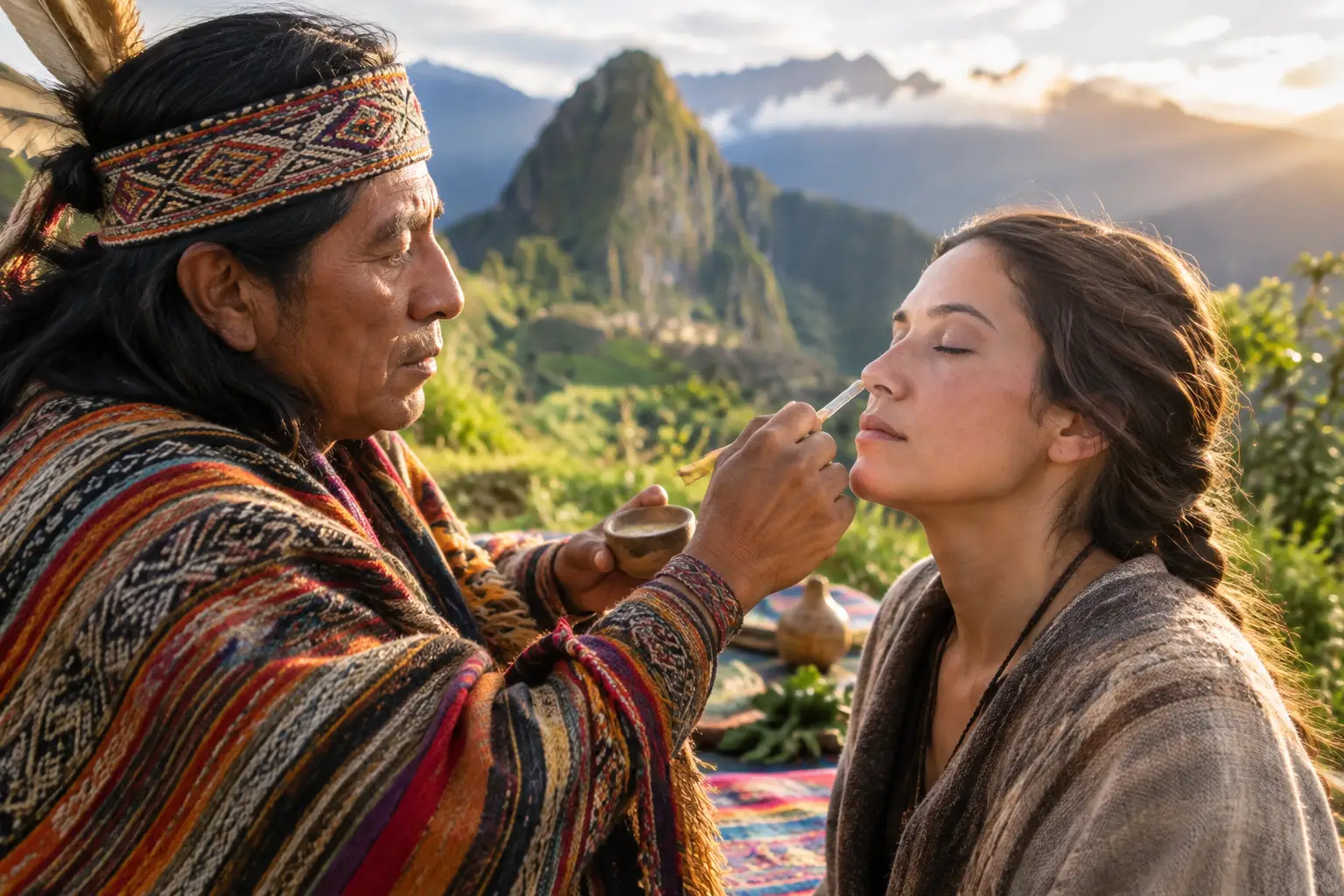
In Andean spiritual traditions, healing is inseparable from relationship. Relationship with Pachamama, with the mountains and elements, with ancestors, with community, and with one’s own spirit. This perspective asks us to move beyond the question, “What can this medicine do for me?” and toward a more reverent inquiry: “How am I being asked to live in right relationship?”
That shift matters. A person may receive an extraordinary insight during ceremony, yet return home to the same patterns of isolation, resentment, overwork, or self-abandonment. Insight alone does not create change. Practice does.
A well-held ceremonial environment recognizes that each participant arrives with a unique history, nervous system, spiritual framework, and capacity for intensity. The right setting is not necessarily the one that promises the strongest experience. It is the one that respects pacing, discernment, informed consent, privacy, and the reality that healing rarely moves in a straight line.
Preparation Is Part of the Ceremony
Preparation begins before anyone enters the ceremonial space. It may include reflecting on intentions, adjusting daily habits, creating space for rest, and speaking honestly about emotional health, medications, medical history, and prior experiences with altered states.
This is not administrative formality. It is sacred responsibility.
Some people are in a season where ceremonial work may not be appropriate. A history of psychosis or mania, certain heart conditions, complex medication interactions, active substance dependence, or acute psychological instability can require a different level of clinical care or a longer period of stabilization. Pregnancy, recent major trauma, and unresolved safety concerns also deserve careful consideration. A responsible facilitator does not treat screening as an obstacle to enrollment. They understand that saying “not now” can be an act of profound care.
Preparation also asks for emotional honesty. Are you seeking relief from pain, a spiritual opening, direction after a major transition, or a way to reconnect with a part of yourself that feels lost? There is no shame in longing for healing. Yet it helps to recognize when the desire for transformation carries an expectation that one ceremony will repair every wound.
Plant medicine may illuminate the roots of a pattern. It cannot make the daily choices for you afterward.
The Difference Between Intensity and Integration
People often speak about ceremony in the language of peak moments. A vision, a purging process, a reunion with a loved one who has passed, a deep encounter with fear, or an overwhelming experience of divine love may stay with someone for years. These moments can be sacred. They can also be difficult to understand immediately.
Integration is the slow work of giving the experience a place in ordinary life. It means asking what the ceremony revealed and then listening for what that revelation asks of you in your relationships, body, work, boundaries, and spiritual practice.
For one person, integration may mean finally beginning grief counseling. For another, it may mean ending a relationship that has become harmful. For someone else, it may look quieter: sleeping consistently, eating nourishing food, spending time outdoors, apologizing without defensiveness, or learning to sit in silence without reaching for distraction.
The most lasting shifts are often less dramatic than the ceremony itself. A person pauses before reacting. They tell the truth sooner. They stop confusing suffering with devotion. They recognize that their healing does not excuse them from caring for those around them.
Integration support can include one-on-one coaching, trauma-conscious counseling, peer community, journaling, prayer, movement, time in nature, and ongoing spiritual study. The best approach depends on the person and the experience. What matters is continuity. A ceremony should not leave someone alone with material they do not know how to carry.
A Responsible Path Is Not a Casual One
The language of wellness can sometimes make profound spiritual work sound easy, fashionable, or universally beneficial. It is neither a lifestyle accessory nor a shortcut to enlightenment. Ceremonial work can bring tenderness and clarity, but it may also surface sorrow, anger, fear, memories, or questions that cannot be resolved in a single weekend.
This is why discernment matters when choosing a retreat, guide, or program. Seek clarity about the preparation process, health screening, participant-to-facilitator ratio, emergency planning, substance-specific training, aftercare, and the experience of those holding the space. Ask how facilitators respond when someone is overwhelmed. Ask what happens after the ceremony ends.
Legality also matters. Laws concerning plant medicines and psychedelic substances vary widely by location, substance, and context. Responsible participation includes understanding local laws and choosing organizations that honor legal and ethical boundaries rather than making vague promises or minimizing real risks.
Cultural respect matters as well. Sacred medicines and ceremonial traditions do not exist merely to serve modern self-improvement. Many carry the prayers, sacrifices, and living knowledge of Indigenous communities. Approaching these practices with humility means resisting extraction. It means learning where teachings come from, honoring appropriate protocols, and recognizing that not every medicine is for every person or every setting.
Peyote, in particular, holds deep sacramental significance for Native American communities and is vulnerable to ecological pressure. Its use calls for exceptional respect, cultural awareness, and attention to lawful, lineage-based practice.
Healing Is Also a Return to Service
The deepest spiritual work eventually changes how we meet the world. If a ceremonial experience makes us more convinced of our own specialness but less able to listen, repair, or serve, something essential may have been missed. True transformation tends to soften the ego while strengthening the capacity to act with integrity.
This does not mean becoming perfect. It means becoming more willing to meet the places where we have caused harm, abandoned ourselves, or repeated inherited patterns. It means recognizing that personal healing and collective healing are connected.
For some, this path leads toward a renewed relationship with family. For others, it becomes a calling to create, mentor, protect the earth, or build community. The form differs, but the invitation is similar: let what you receive become medicine in the way you live.
At Pachamama Sacred Paths, ceremonial work is understood as part of a longer devotional path, supported through preparation, integration, spiritual education, and ongoing community. The retreat may be a beginning, but it is never meant to be the whole journey.
Let the Ceremony Continue in Daily Life
The question after a sacred experience is not whether it was beautiful, difficult, or extraordinary. The question is whether you are willing to remain in relationship with what it revealed.
Let the teachings become visible in the small places: the conversation you have been avoiding, the boundary you need to honor, the prayer you return to each morning, the care you offer your body, and the way you show up for your community. When approached with humility, support, and devotion, psychedelic wellness becomes less about chasing an altered state and more about remembering how to live awake.


Comments